QWEN IMAGE 2.1 · COMING SOON

Unified generation and editing, native RGBA transparency, and 10-image reference control

Qwen Image 2.1 API: Unified Image Generation and Multi-Reference Editing

Generate and edit high-resolution images within a single compact 7B model. Qwen Image 2.1 unifies text-to-image generation and advanced multi-reference editing, while adding native RGBA transparency support directly inside its single-stream Diffusion Transformer.

With native 2K resolution, multi-image composition across up to 10 references, and Prefix KV cache acceleration, Qwen Image 2.1 provides developers and creators with an efficient, production-ready foundation for commercial visual workflows.

Key Features of Qwen Image 2.1 API

Unified 2K generation and editing, native transparent images, and 10-image reference control for high-fidelity creative workflows.

01

Qwen Image 2.1 API for Unified Image Generation and Editing

Creators often have to switch between separate models for text-to-image synthesis and image modification, increasing integration complexity and latency. Qwen Image 2.1 consolidates visual creation and iterative editing into a single lightweight 7B checkpoint. Generate native 2K images or edit existing pictures with equal fidelity across seven aspect ratios using a single API call.

  • Generate native 2K images across 7 aspect ratios
  • Unify text-to-image and image editing in one model
  • Eliminate multi-model switching and pipeline overhead
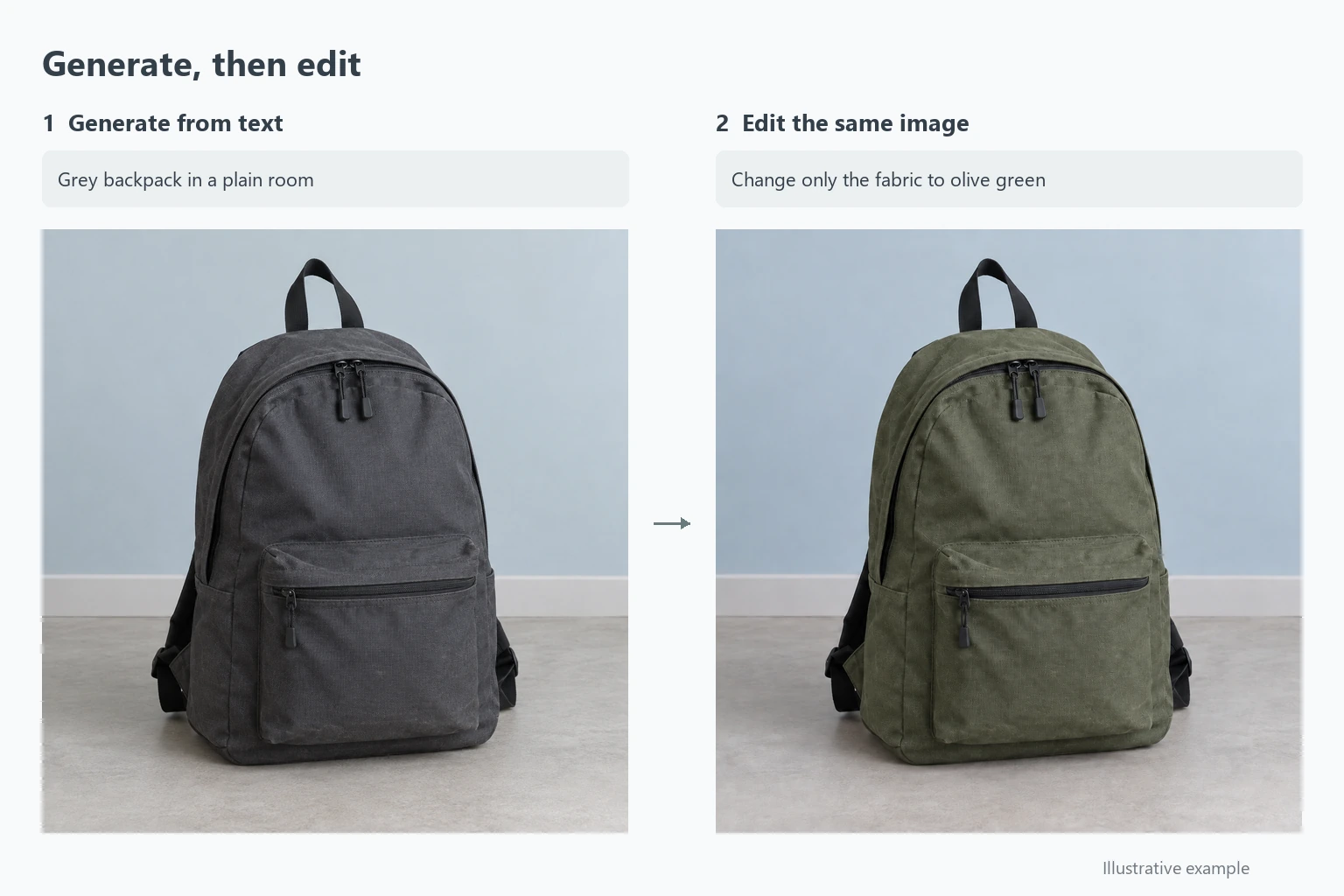
A text-generated grey backpack followed by an edit changing only its fabric to olive green

02

Qwen Image 2.1 API for Transparent Assets and Subject Cutouts

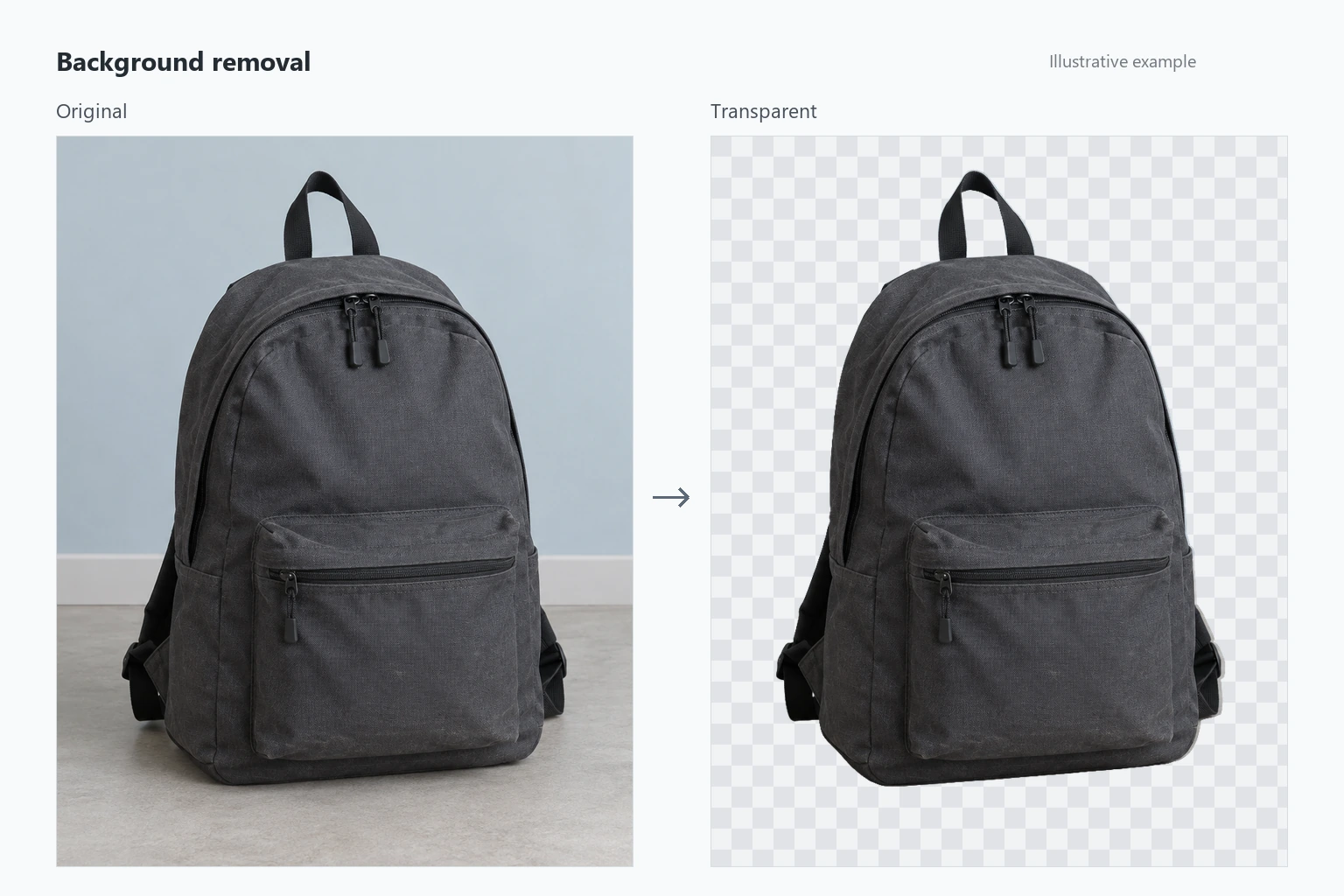
Producing clean transparent assets typically requires separate background-removal tools that introduce edge artifacts and color halos. Qwen Image 2.1 incorporates a native 64-channel RGBA VAE that synthesizes transparent images directly from text prompts and extracts subjects from photographic inputs. Designers and developers can generate stickers, design elements, and isolated product shots in one step.

  • Generate native RGBA transparent images directly from text
  • Extract clean subjects from standard RGB photographs
  • Remove the need for secondary background-removal steps
The same backpack before background removal and isolated on a transparency grid

03

Qwen Image 2.1 API for 10-Image Reference Consistency

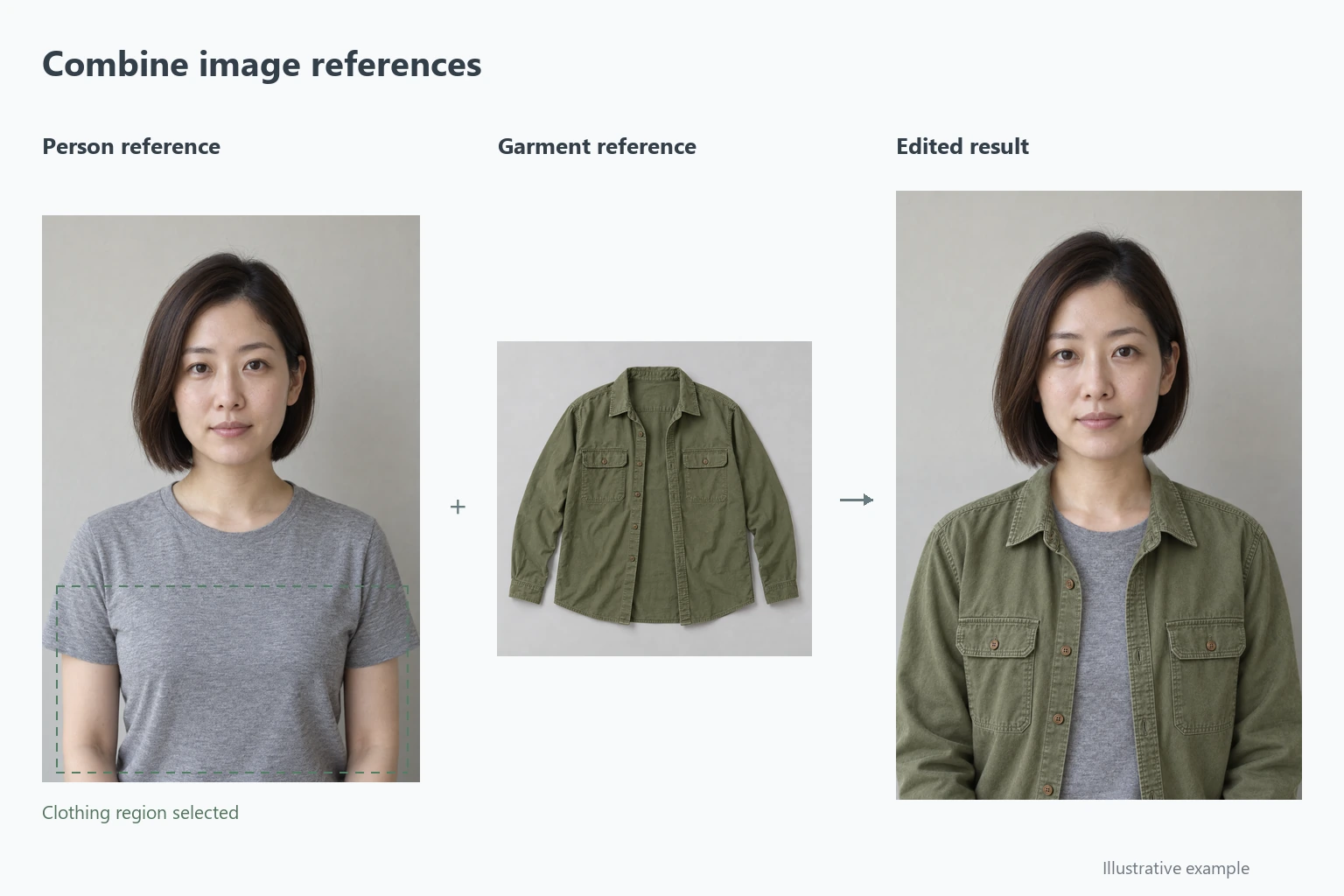
Complex visual compositions and virtual try-ons frequently struggle with character drift and texture degradation when conditioned on multiple inputs. Qwen Image 2.1 supports up to 10 reference images alongside regional editing via circle markers, brush annotations, or dedicated masks. Maintain strict identity fidelity for human faces, fashion garments, and branded merchandise across edits.

  • Combine up to 10 reference images in one composition
  • Apply targeted edits with circle, brush, or mask regions
  • Preserve facial traits, product textures, and branding details
A person reference and a garment reference combined in a localized clothing edit with the original face preserved

04

Qwen Image 2.1 API for Clear Bilingual Typography and Posters

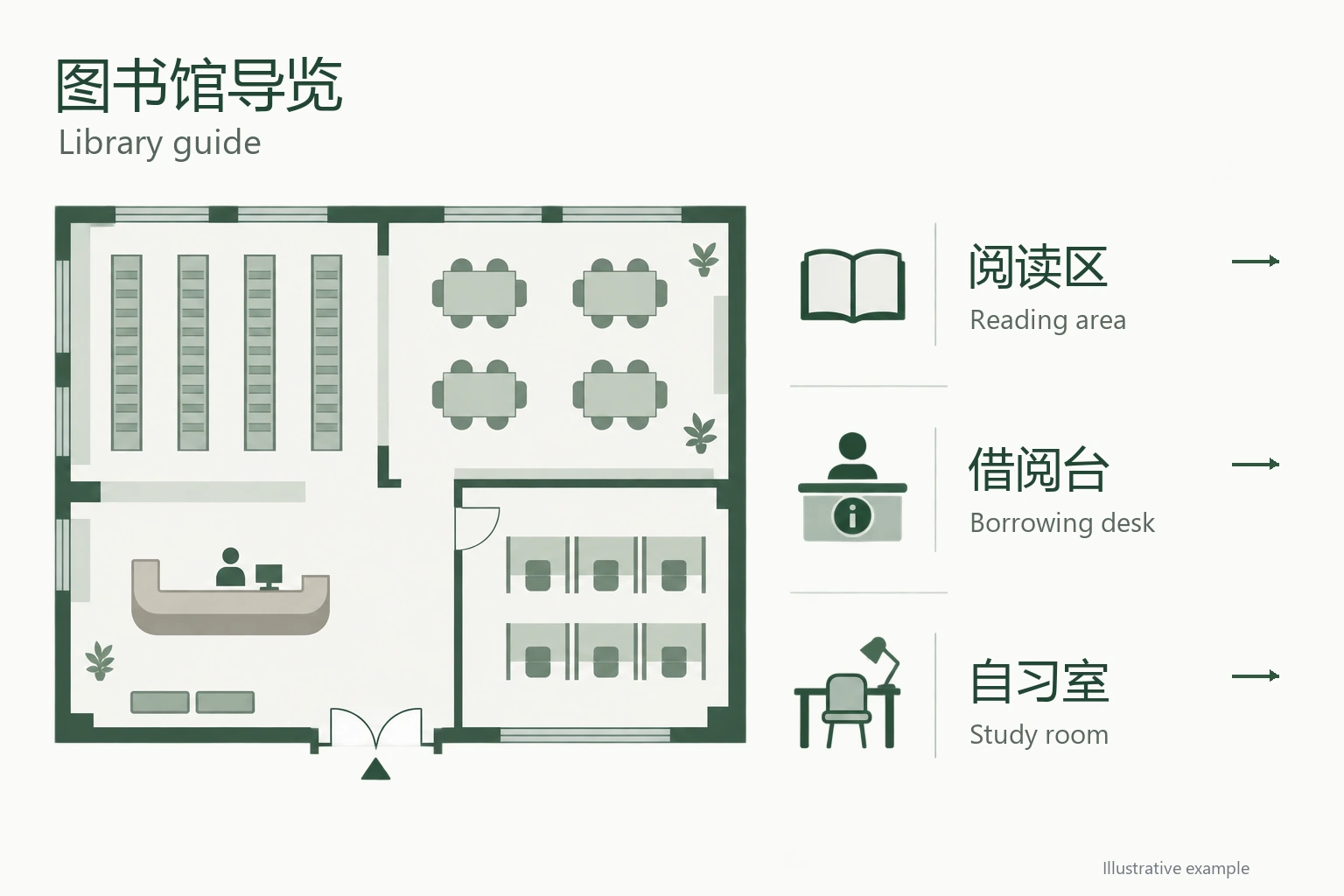
Generative image models frequently produce garbled text, malformed letterforms, and unreadable character layouts in commercial graphics. Leveraging the integrated Qwen3-VL-8B encoder, Qwen Image 2.1 delivers exceptional bilingual English and Chinese typography embedded naturally within scenes. Generate commercial posters, packaging concepts, and infographics with crisp lettering aligned to perspective and lighting.

  • Render legible bilingual English and Chinese typography
  • Align visual text naturally with scene lighting and perspective
  • Produce commercial posters, packaging, and infographics
A library wayfinding graphic with accurately paired Chinese and English labels

05

Qwen Image 2.1 API for Fast and Cost-Effective Generation

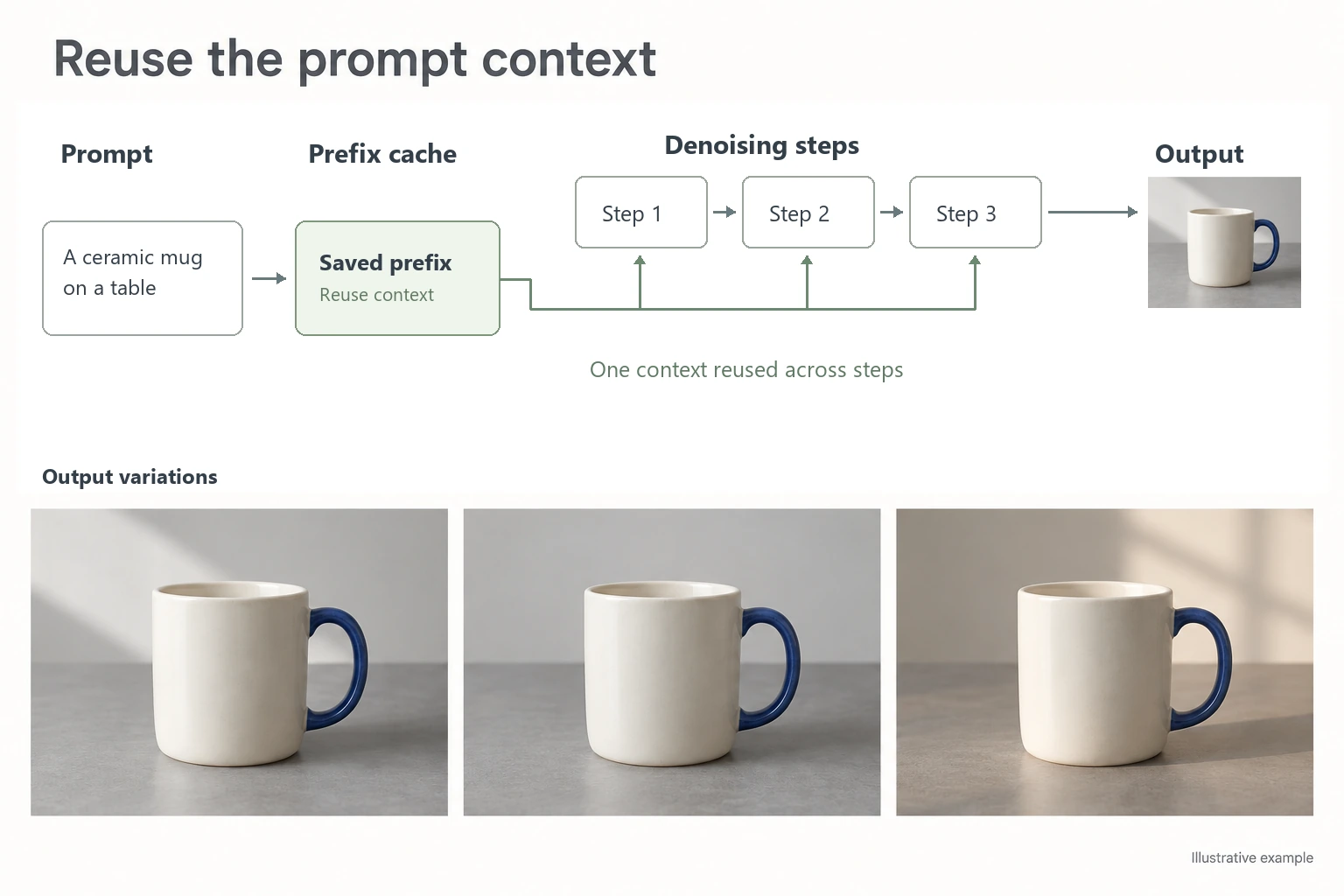
High parameter counts in 20B+ diffusion models impose heavy VRAM footprints and slow iteration cycles for production pipelines. Qwen Image 2.1 features a compact 32-layer Single-Stream DiT with only 7 billion visual parameters, augmented by Prefix KV cache reuse across 40 denoising steps. Experience substantially faster inference speeds and lower deployment costs without compromising visual fidelity.

  • Cut memory requirements with an efficient 7B architecture
  • Accelerate multi-step denoising with Prefix KV caching
  • Achieve top-tier benchmark scores with lower resource costs
A generation pipeline reusing one prompt prefix across consecutive denoising steps and producing image variations

Who Can Benefit from Qwen Image 2.1 API?

01

E-Commerce Product Photography

Generate professional commercial shots, swap catalog backgrounds, and extract clean product cutouts while strictly preserving product shapes, logos, and textures.

02

Fashion and Virtual Try-On

Combine separate model photos with clothing and accessory references using 10-image conditioning to produce realistic fashion composites and personalized styling.

03

Graphic Design & Transparent Assets

Create stickers, isolated visual elements, and transparent PNG assets directly from prompts without relying on auxiliary background-removal tools.

04

Social Media & Digital Marketing

Produce eye-catching campaign visuals, advertising banners, and promotional posters featuring readable bilingual typography and coherent brand assets.

05

Storyboarding and Concept Art

Iterate on character sheets, cinematic scene compositions, and sequential storyboards using multi-reference identity anchoring across multiple shot angles.

06

Publishing and Editorial Layouts

Develop book covers, educational infographics, and editorial illustrations with structured compositions that integrate typography and visual artwork seamlessly.

Qwen Image 2.1 vs Qwen Image 2.0 — Model Comparison

Qwen Image 2.1 unifies what earlier releases handled with separate checkpoints, reducing visual parameters to 7B while introducing native RGBA transparency and 10-image reference control.

FeatureQwen Image 2.1Qwen Image 2.0
Visual generator size7B Single-Stream DiT (32 layers)~20B parameters
Generation + editingSingle unified checkpointSeparate checkpoints (T2I vs Edit)
Transparency supportNative 64-channel RGBA in same modelRequires dedicated layered model
Reference image capacityUp to 10 reference imagesLimited (typically 1-3 references)
Native resolutionNative 2K (2048×2048 default)1024×1024 / 2K in later checkpoints
Inference optimizationPrefix KV cache reuse across stepsStandard multi-step recomputation
Qwen-Image-Bench score60.28 (Top-ranked open model)52.06
VRAM requirement~6–12 GB (quantized / offloaded)24 GB+ recommended

Qwen-Image-Bench scores and specifications reflect published technical evaluations and documentation.

Frequently Asked Questions about Qwen Image 2.1 API

What is Qwen Image 2.1?

Qwen Image 2.1 is Alibaba's open-weight visual foundation model designed for unified text-to-image creation and image editing. It incorporates 32 Single-Stream DiT layers with 7B visual parameters and native RGBA transparency.

How is Qwen Image 2.1 different from previous Qwen-Image releases?

Earlier versions often required separate models for generation, editing, and layered transparency. Qwen Image 2.1 integrates all of these capabilities into a single compact 7B model that natively handles transparent backgrounds and up to 10 reference images.

How do I generate transparent RGBA images with the API?

Specify a prompt beginning with 'This is an RGBA image with transparency' and indicate that the background is transparent. The model's native 64-channel RGBA VAE will output a transparent PNG or WebP file without secondary cutout processing.

How many reference images does Qwen Image 2.1 support for editing?

Qwen Image 2.1 supports up to 10 reference images in a single edit request, enabling complex multi-character scenes, virtual try-ons, and detailed interior compositions with strong identity preservation.

What output resolutions and aspect ratios are supported?

The model supports native 2K output (2048×2048 default for 1:1) and offers multiple aspect ratios including 1:1, 4:3, 3:4, 3:2, 2:3, 16:9, and 9:16.

How does Qwen Image 2.1 handle bilingual text rendering?

Powered by Qwen3-VL-8B as its condition encoder, Qwen Image 2.1 features state-of-the-art Chinese and English typography, allowing accurate rendering of brand logos, signboards, and poster text embedded naturally in 3D scenes.

When will Qwen Image 2.1 API be available on PoYo?

Qwen Image 2.1 is currently in preparation for high-concurrency deployment on PoYo. Sign up for an API key now to be ready as soon as the model endpoints and playground go live.

Why Follow the Qwen Image 2.1 API on PoYo

01

Unified Image Generation & Editing

Evaluate text-to-image synthesis, multi-reference image editing, and native RGBA transparency within a single streamlined developer workflow.

02

Comprehensive Model Catalog

Compare Qwen Image 2.1 against leading models like FLUX, Seedream, and Grok Imagine to select the ideal visual pipeline for your project.

03

High-Concurrency API Architecture

PoYo's asynchronous task dispatch and low-latency infrastructure ensure fast, reliable generation times with complete status callbacks.

04

Developer-First Integration

Get standard SDK support, clear OpenAPI documentation, and responsive developer tooling to integrate image generation in minutes.