
01
Claude Opus 5.5 (Standard)
The default flagship mode for autonomous repository coding, complex multi-step reasoning, computer use, and enterprise knowledge workflows with always-on adaptive thinking.
Frontier reasoning, long-horizon agentic coding, computer use, and 1M context window
Claude Opus 5.5 is Anthropic's flagship intelligence model optimized for long-horizon autonomous coding, complex multi-step knowledge work, and end-to-end computer use. Reaching frontier performance on Terminal-Bench 4.0, FrontierCode, and GDPval, it delivers Claude Fable-level reasoning at ~40% lower overall task cost than Claude Opus 5.
Equipped with a 1-million-token context window, up to 128K synchronous output tokens, and always-on adaptive thinking, Claude Opus 5.5 will soon be accessible on PoYo through unified high-concurrency APIs—providing developers and enterprises with scalable frontier intelligence without waitlists.
The default flagship mode for autonomous repository coding, complex multi-step reasoning, computer use, and enterprise knowledge workflows with always-on adaptive thinking.
Research preview mode providing up to 2.5× faster generation speed for real-time interactive development and latency-critical agent tasks.
Frontier benchmarks, always-on adaptive thinking, 1M context, and end-to-end desktop computer use turn ambitious engineering challenges into reliable workflows.
01
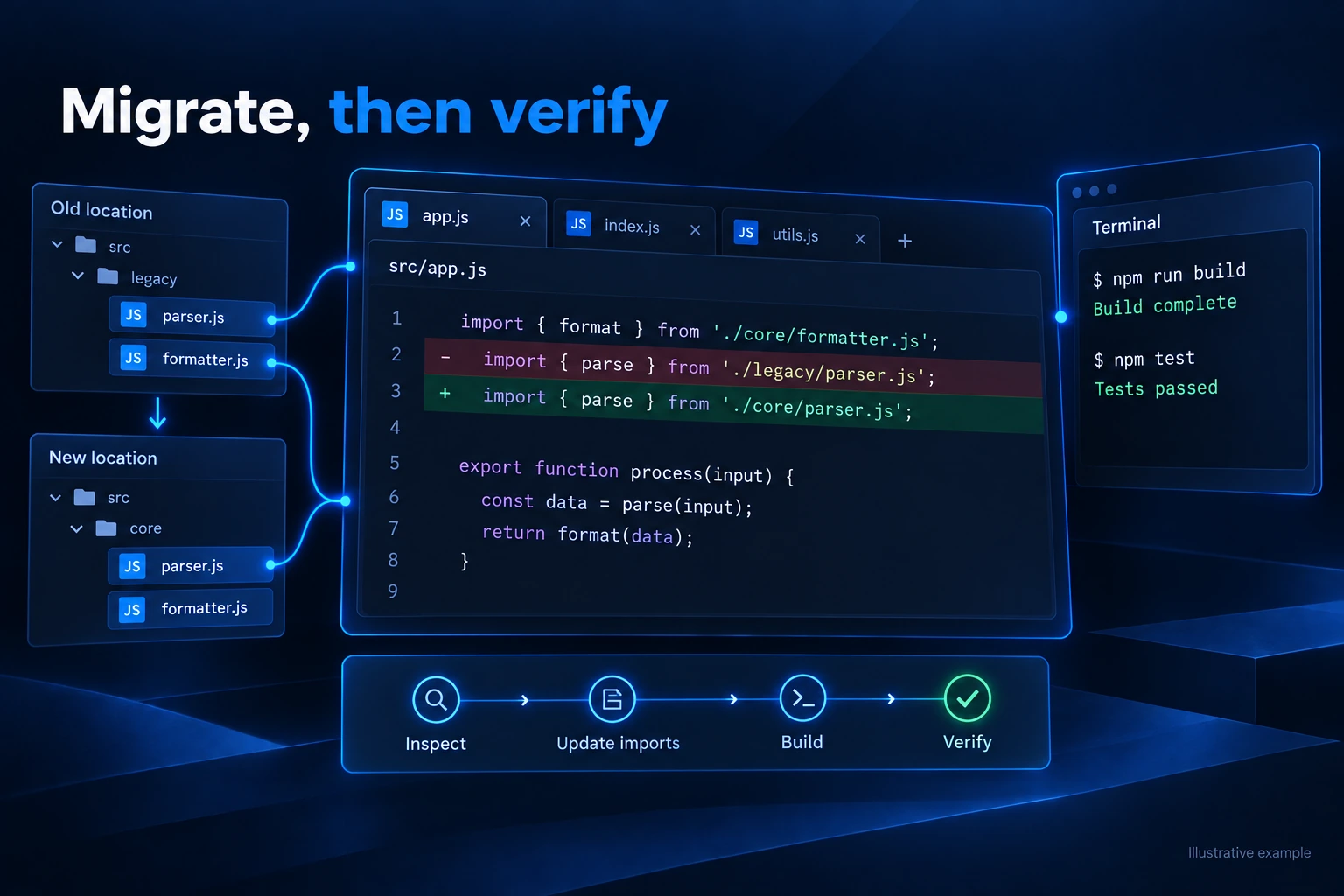
Claude Opus 5.5 establishes new frontier performance in terminal-based coding, multi-repository architecture, and autonomous software engineering. Scoring 66.4% on Terminal-Bench 4.0 and 54.4% on FrontierCode, it handles large-scale codebase migrations, complex debugging, and end-to-end refactoring with fewer steps and lower token overhead.
02
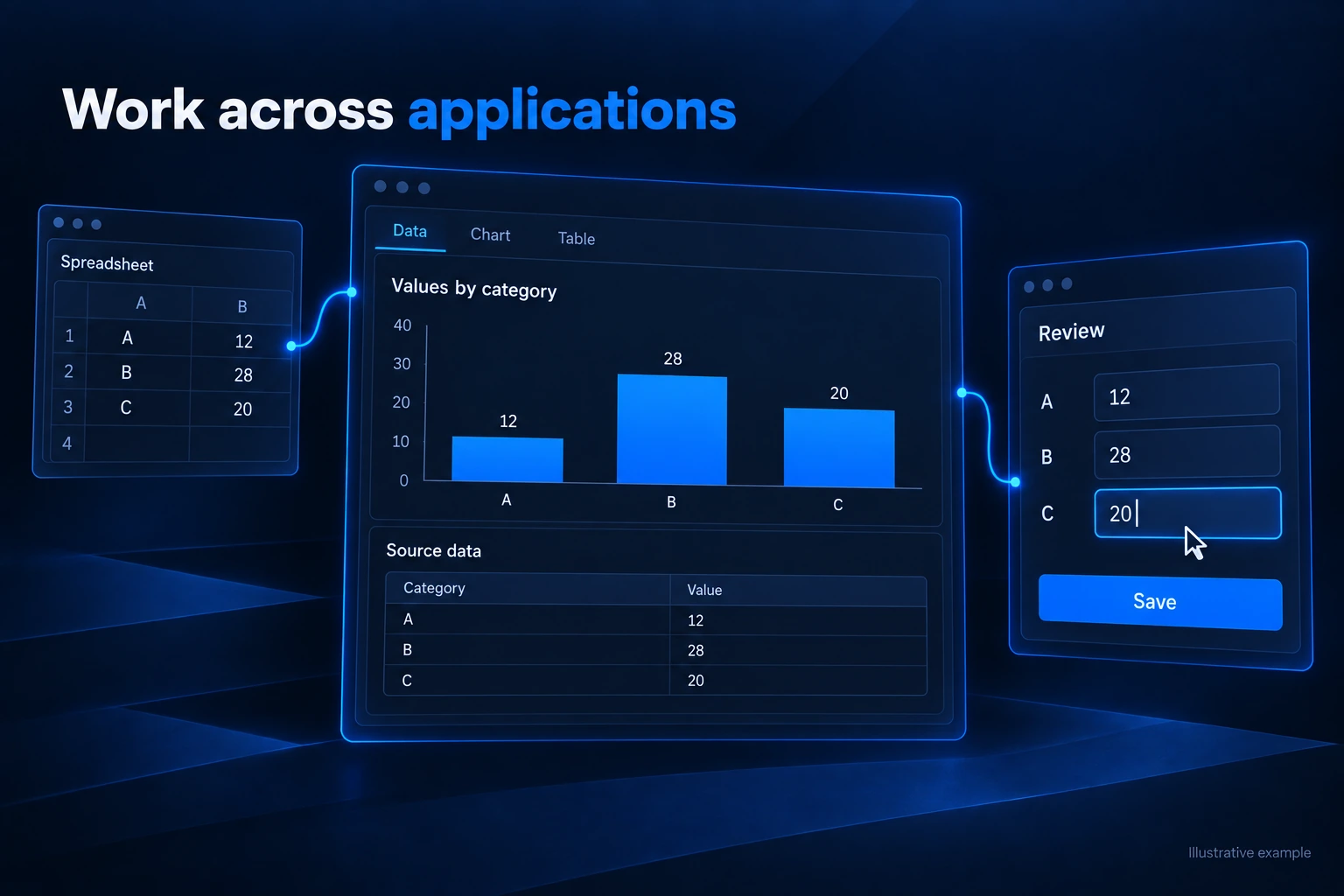
Using the updated computer_toolset_20260801 toolset, Claude Opus 5.5 seamlessly interacts with desktop software, browsers, terminal environments, and complex multi-application workflows. Scoring 81.8% on OSWorld 2.0 and 89.0% on Chartography, it couples visual perception with precise cursor and keyboard actions.
03
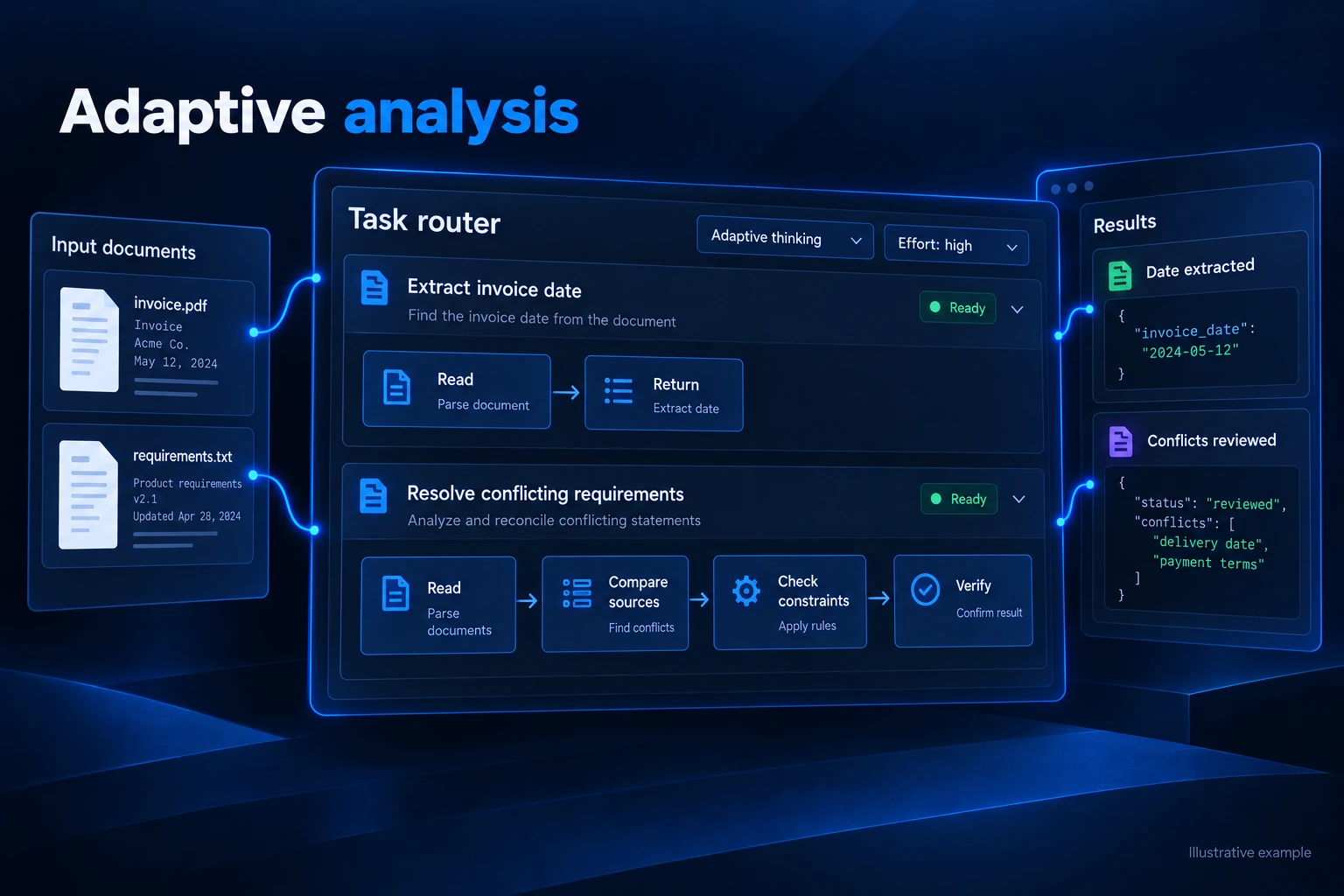
Adaptive thinking is natively integrated and continuously active, dynamically allocating cognitive depth according to task complexity. Controlled by the effort parameter, it generates output over 30% faster and uses fewer tokens per task, cutting typical workload execution costs by approximately 40% compared to Opus 5.
04
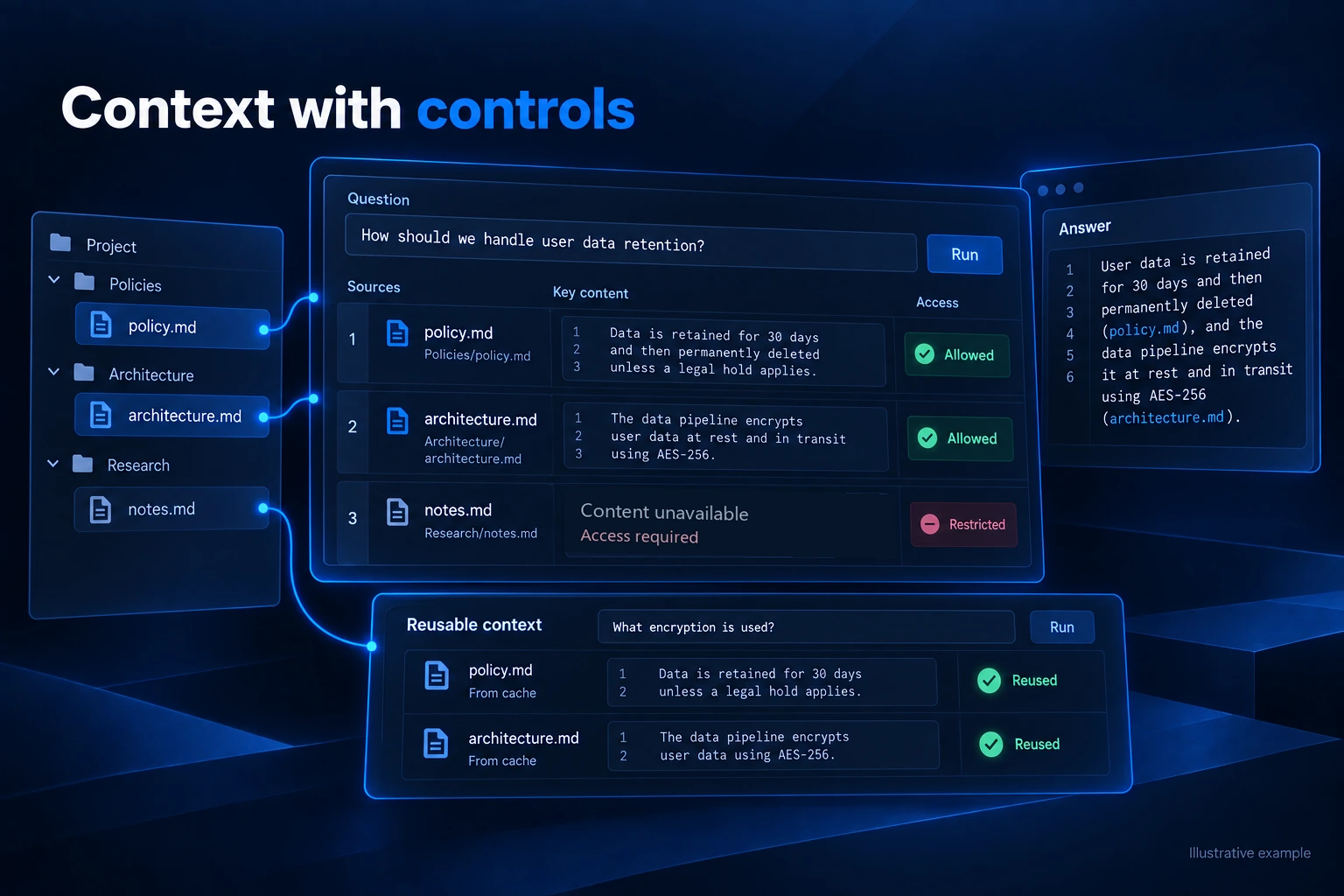
Process entire code repositories, extensive documentation, and complex multi-turn histories with a 1,000,000-token context window and up to 128K synchronous output tokens (300K via Batches API). Built with Anthropic's strongest behavioral safety audit results, it provides 85% higher containment resistance and robust safeguards.
Automate large codebase migrations, cross-file refactoring, autonomous test generation, and complex terminal debugging with frontier coding benchmarks.
Execute end-to-end multi-step analysis, synthesis across thousands of business documents, financial modeling, and structured report drafting in seconds.
Build robust multi-agent systems and long-horizon autonomous workflows with reliable tool selection, append-only conversation patterns, and self-verification.
Automate complex desktop and browser operations, form interactions, data entry, and multi-window workflows with native computer use tools.
Explore interdisciplinary problem spaces, academic paper synthesis, molecular or mathematical reasoning, and data-intensive research pipelines.
Perform thorough contract reviews, regulatory compliance verification, code vulnerability audits, and trading-desk workflow automation with superior alignment.
Compare Claude Opus 5.5 with Claude Opus 5 and Claude Fable 5.1 across agentic coding, computer use, reasoning architecture, context limits, and cost efficiency.
| Feature / Metric | Claude Opus 5.5 | Claude Opus 5 | Claude Fable 5.1 |
|---|---|---|---|
| Context window | 1,000,000 tokens | 200,000 / 1,000,000 tokens | 1,000,000 tokens |
| Max output tokens | 128K (sync) / 300K (batch) | 8K / 128K tokens | 128K tokens |
| Terminal coding (Terminal-Bench 4.0) | 66.4% | 52.3% | 55.8% |
| Agentic coding (FrontierCode v1.1) | 54.4% | 48.0% | 50.3% |
| Computer use (OSWorld 2.0) | 81.8% | 74.0% | 80.7% |
| Adaptive thinking | Always-on (effort low to max) | Optional (budget_tokens) | Always-on (adaptive) |
| Official input / output per 1M | $4.00 / $20.00 | $5.00 / $25.00 | $8.00 / $40.00 |
| Cache read price per 1M | $0.20 (-60% vs Opus 5) | $0.50 | $0.80 |
| Typical task cost saving | ~40% lower vs Opus 5 | Baseline | Premium flagship |
Official benchmark data based on Anthropic release system card (September 22, 2026). Typical task savings combine token efficiency with lower per-token pricing.
Step 1: Register & Create API Key
Sign up on PoYo and generate your universal API key in seconds. Instant access with no waiting list.
Create API Key →
Step 2: Top Up Credits
Add credits to your account. Enjoy transparent pay-as-you-go pricing with automatic prompt caching discounts.
Add Credits →
Step 3: Integrate Claude Opus 5.5
Call the Messages API using model ID claude-opus-5-5 via official Anthropic SDKs or PoYo REST endpoints.
View Documentation →
Skip provider access waitlists and obtain production-ready API keys immediately with zero onboarding friction.
Benefit from transparent pay-as-you-go pricing, 60% prompt caching savings, and 50% discounts on batch workloads.
Rely on redundant multi-cloud infrastructure, strict SLA guarantees, and enterprise-grade rate limits for high-volume agents.
Switch seamlessly between Anthropic Claude, OpenAI, and open-source models using a single standardized API and unified billing.