
GPT-6 API
A forward-looking feature page for OpenAI's rumored next flagship model. Based on public reporting as of April 13, 2026, GPT-6 is expected to push persistent memory, stronger agent behavior, multimodal workflows, and longer context windows for developers.
Persistent Memory
The clearest GPT-6 signal is cross-session memory: remembering preferences, prior context, and working style so responses feel consistent instead of stateless.
Stronger Agent Behavior
Public reporting points to a more proactive model that can plan tasks, use tools, interact with software, and complete multi-step workflows with fewer manual corrections.
Native Multimodality
GPT-6 is expected to reason more naturally across text, images, audio, and possibly video rather than treating each modality as an isolated add-on.
Longer Context, Better Planning
Rumors consistently point toward major context-window expansion and better long-horizon reasoning, especially for coding, research, and document-heavy work.
Personalization Controls
A more personal assistant only works if developers and end users can tune tone, behavior, and memory boundaries with explicit product controls.
Safety Around Memory
If memory becomes core, privacy, deletion, and responsible agent behavior become first-class deployment requirements rather than secondary settings.
Signals
What the GPT-6 Direction Looks Like
The likely backdrop for GPT-6: frontier model research moving beyond raw benchmark gains.
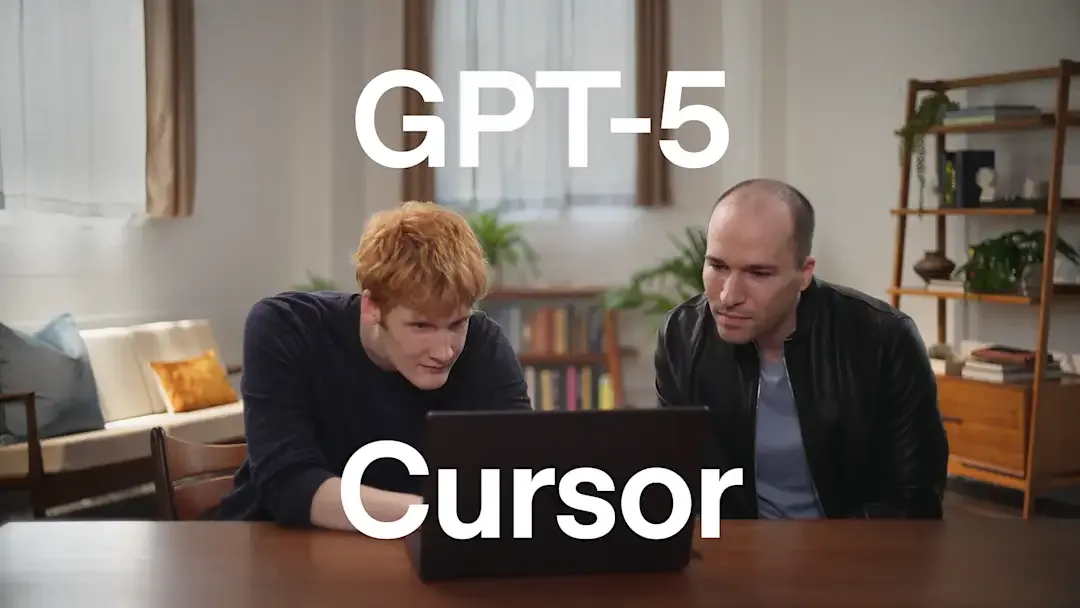
A stronger developer workflow is expected to be central: coding, tool use, and execution inside real software environments.

Persistent memory is the most repeated GPT-6 theme in public discussion.
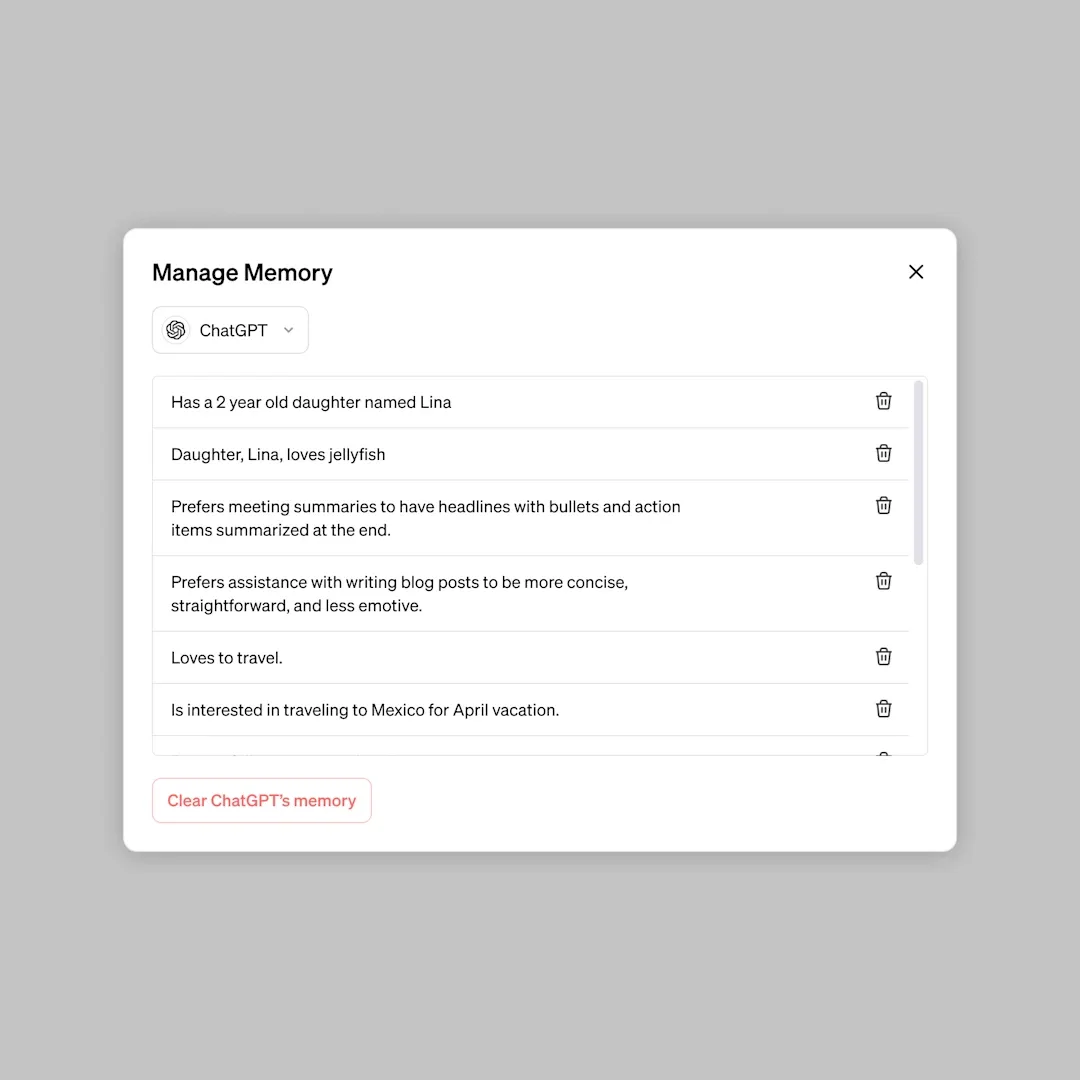
Memory controls matter as much as memory itself: user choice, privacy, and forgetting need product-level controls.
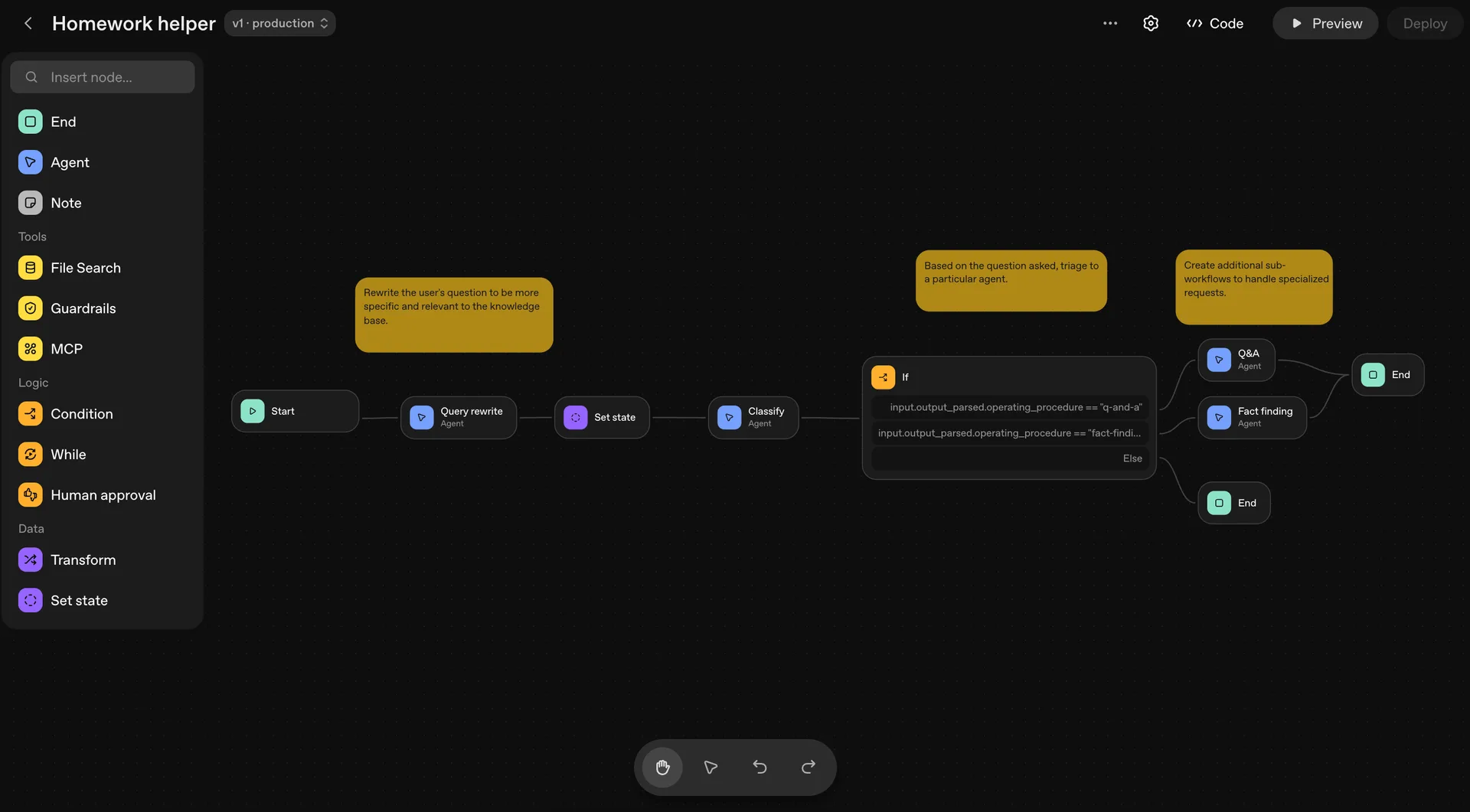
Agentic execution points to systems that can plan, call tools, and finish multistep work with less handholding.
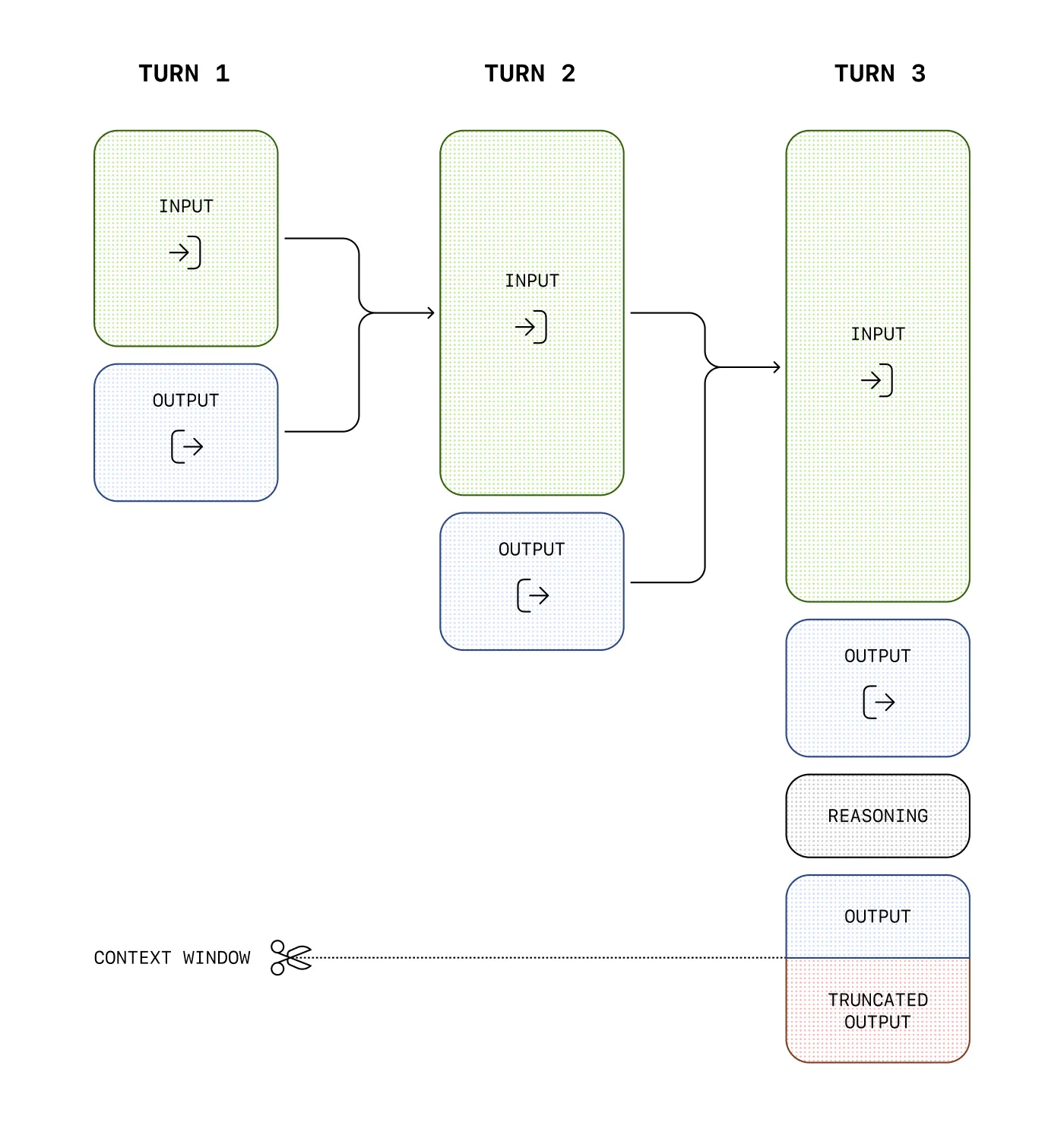
Longer context and better long-horizon reasoning are part of the expected GPT-6 jump.

GPT-6 is widely expected to deepen native multimodal handling rather than stay text-only.

Vision, audio, and structured tool use are all part of the likely direction for next-gen application workflows.
Use Cases
What Developers May Build with GPT-6
Personal AI Workspaces
Copilots that remember projects, preferences, team conventions, and recurring tasks across sessions.
Agentic Coding Systems
Developer tools that inspect codebases, edit files, run checks, and maintain context across longer engineering tasks.
Research and Knowledge Ops
Long-context assistants that synthesize documents, preserve investigation history, and continue work without repeated re-briefing.
Multimodal Customer Workflows
Support agents that can combine chat, screenshots, voice notes, and structured tools inside a single problem-solving loop.
Business Process Automation
Workflow agents that operate across spreadsheets, internal systems, forms, and dashboards with more autonomy than today's chat-only assistants.
Adaptive Consumer Apps
Products that adapt response style, recommendations, and task flow based on long-term user behavior and memory controls.
FAQ
Frequently Asked Questions
No. As of April 13, 2026, OpenAI has not publicly launched GPT-6 and there is no official public API release.
This is a forward-looking feature page. It tracks the capabilities developers are likely to care about once GPT-6 becomes real and publicly accessible, rather than claiming a live production integration today.
The biggest expected shift is not just higher benchmark performance. It is the move toward persistent memory, more personalized behavior, and stronger agent-like task execution.
- Persistent memory across sessions
- Better tool use and agentic task execution
- Longer context windows for planning and research
- Stronger multimodal reasoning across text, image, audio, and video
- More user-level controls around personalization and forgetting
There is no official date. Public reporting summarized in our knowledge base points to a likely mid-to-late 2026 window, but that remains unconfirmed.
Production teams should still target currently available chat and multimodal APIs. GPT-6 should be treated as an upcoming direction, not a stable dependency.
Explore More AI Features
Prepare for the GPT-6 Era
Start with current PoYo APIs now, and keep your integration ready for stronger memory, agents, and multimodal workflows later.
This page reflects public reporting and our GPT-6 knowledge base as of April 13, 2026.