
01
Claude Opus 4.7
claude-opus-4-7 — Anthropic's most capable GA model. 1M context, 128K output, frontier agentic coding, high-res vision, hybrid reasoning. Input: $4/1M tokens, Output: $20/1M tokens.

Transparent pricing with no hidden fees. Pay as you go.
claude-opus-4-7claude-opus-4-7| Model | Spec | PoYo price | Official price | You save |
|---|---|---|---|---|
| claude-opus-4-7 | Input | $4.00/1M tokens 1000 credits /1M tokens | - | - |
Output | $20.00/1M tokens 5000 credits /1M tokens | - | - |
* Actual fees are based on the final output.
Complete guide to using Affordable Claude Opus 4.7 API on PoYo
Anthropic's most capable generally available model, built for frontier agentic coding, long-horizon reasoning, and complex professional workflows.
01
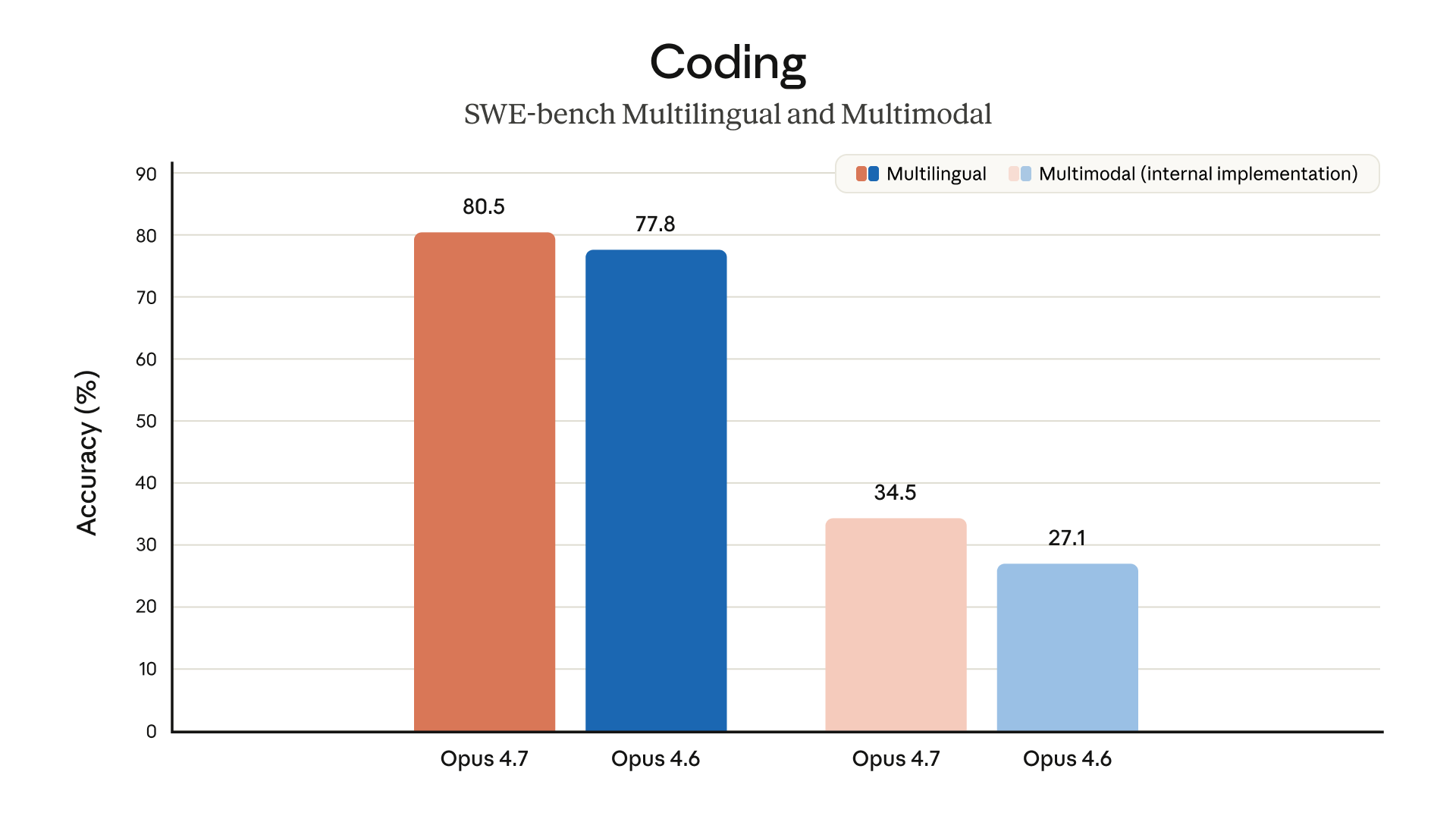
Claude Opus 4.7 delivers a step-change improvement in agentic coding performance. It plans more carefully, sustains focus over long-running tasks, verifies its own outputs, and requires less human supervision. Ideal for production-ready code generation, large-scale refactoring, and autonomous multi-step workflows.
02
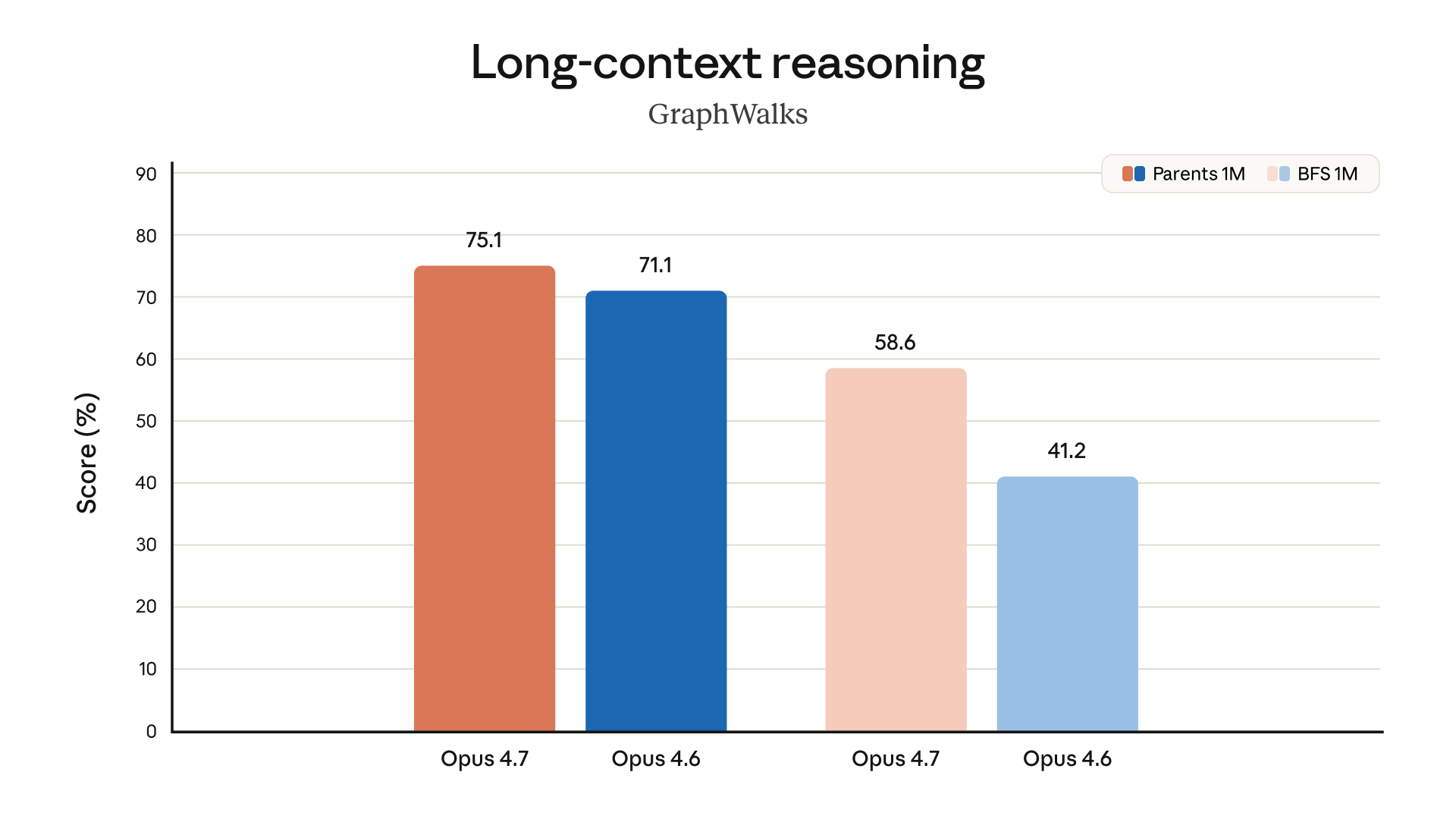
Process massive codebases, entire repositories, and complex multi-document projects with a 1 million token context window. Generate comprehensive outputs with up to 128K tokens per response, making Claude Opus 4.7 well suited to the most demanding analysis and generation tasks.
03
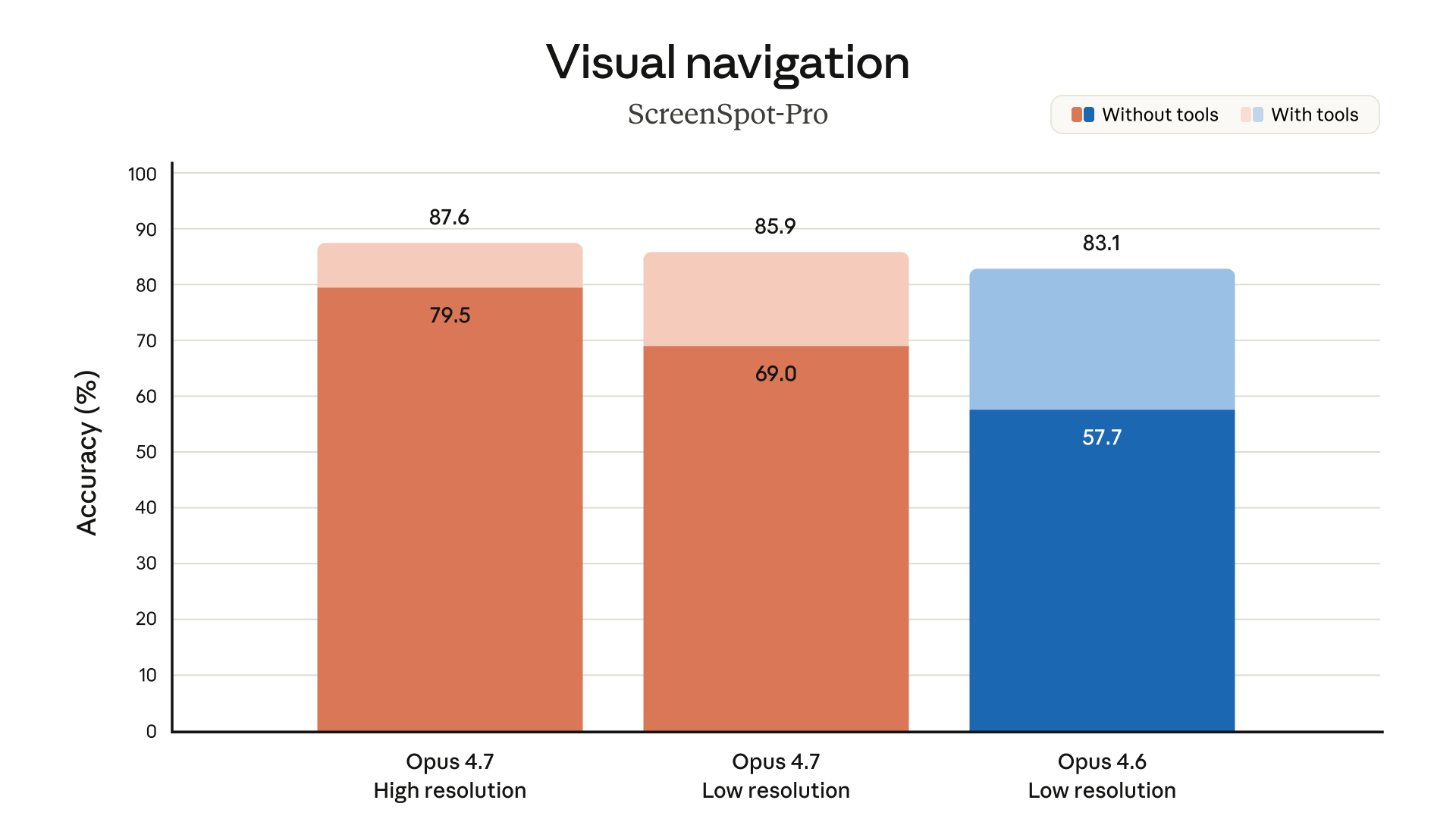
Claude Opus 4.7 is the first Claude model with high-resolution image support — up to 2576px (3.75 megapixels), more than 3x the previous 1568px limit. Analyze detailed screenshots, technical diagrams, charts, scanned documents, and UI mockups with unprecedented accuracy.
04
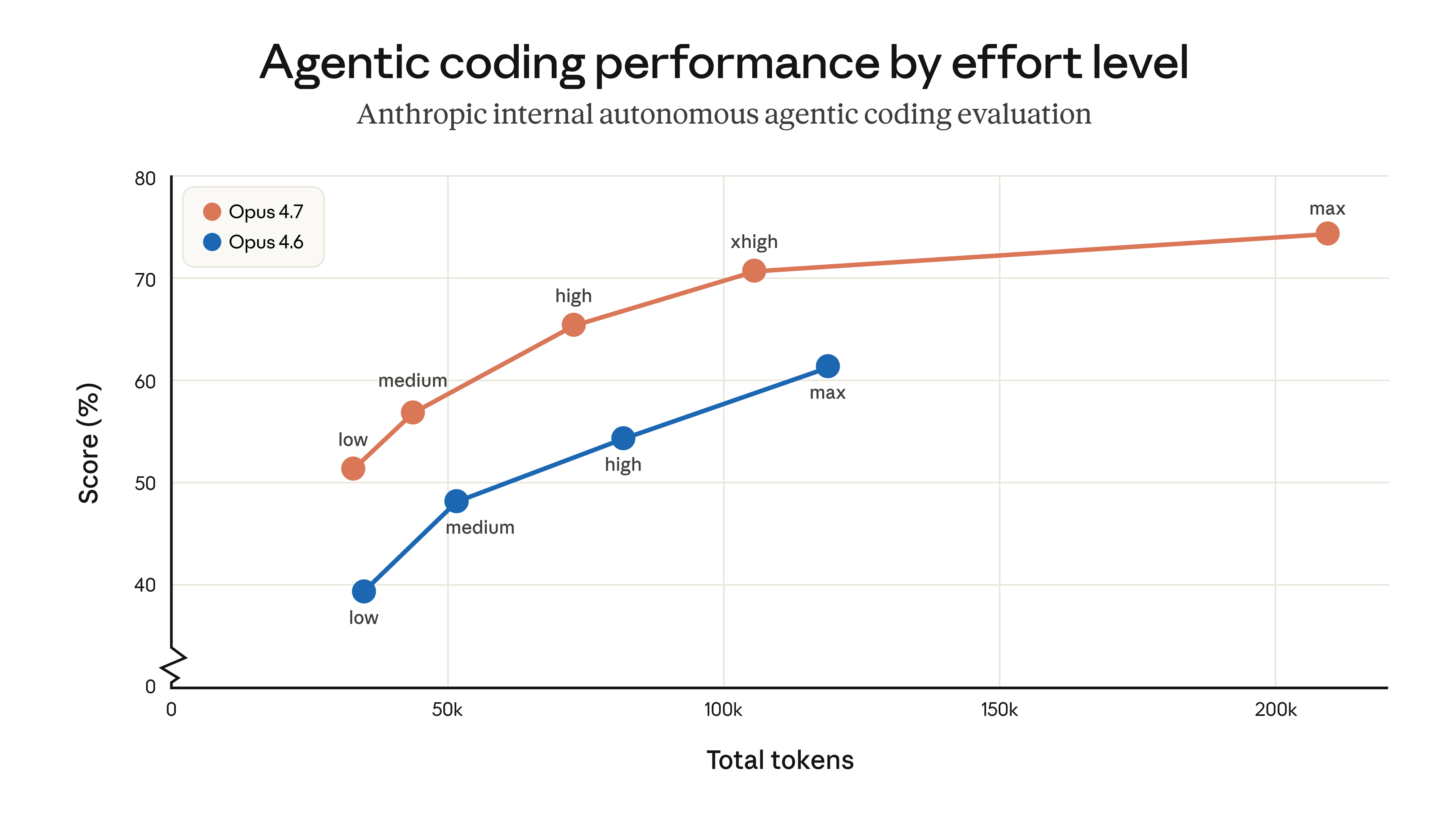
Claude Opus 4.7 features hybrid reasoning mode with adjustable effort levels, including a new X-High level for the most demanding tasks. The model shows visible chain-of-thought reasoning traces, enabling transparency in complex problem-solving. Balance depth, latency, and cost based on your workflow requirements.
05
Build sophisticated AI agents that operate autonomously over extended periods. Claude Opus 4.7 excels at multi-agent coordination, dynamic tool discovery, and integration with external systems. It sustains focus and coherence across long-running agentic workflows that require tool orchestration.
Accelerate code generation, review, debugging, and large-scale refactoring with Anthropic's frontier coding model. Claude Opus 4.7 API handles complex multi-file changes autonomously, verifies its own outputs, and operates reliably across entire codebases via PoYo.
Build autonomous agents that sustain long-horizon tasks without human supervision. Claude Opus 4.7 API's enhanced tool use, multi-agent coordination, and self-verification capabilities make it the top choice for complex agentic workflows through PoYo.
Power sophisticated analysis across massive document sets, regulatory filings, and market data. Claude Opus 4.7 API's 1M context window processes entire information systems in a single call, delivering comprehensive insights on PoYo.
Process high-resolution screenshots, technical diagrams, charts, and long documents with 2576px vision support and 1M context window. Claude Opus 4.7 API delivers unparalleled accuracy in visual document understanding through PoYo.
Leverage hybrid reasoning for complex research, financial modeling, legal analysis, and scientific tasks. Claude Opus 4.7 API provides detailed chain-of-thought explanations and handles nuanced professional content on PoYo.
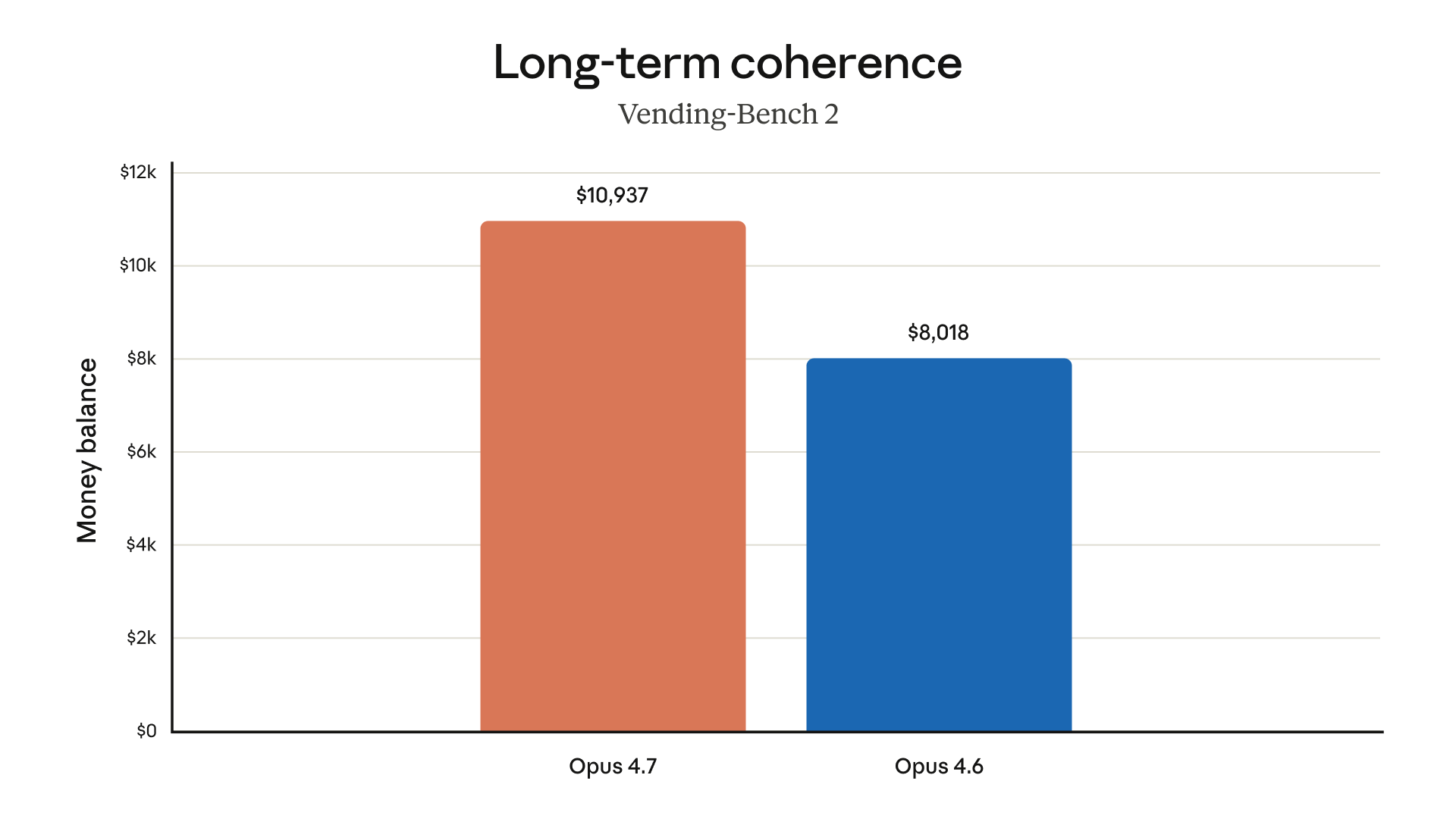
This comparison is aligned to the project knowledge base updated through April 2026, with the Claude Opus 4.6 column sourced from the dedicated 4.6 reference doc. Claude Opus 4.7 is the direct follow-up to Opus 4.6, with stronger coding thoroughness, agentic execution, and high-resolution vision.
| Feature | Claude Opus 4.7 | Claude Opus 4.6 |
|---|---|---|
| Provider | Anthropic | Anthropic |
| Release Date | Apr 16, 2026 | Feb 5, 2026 |
| Model Positioning | Most capable generally available Opus model | First Opus release with 1M context in beta |
| Context Window | 1M tokens | 1M tokens (beta at launch) |
| Coding & Agent Work | 13% lift on Anthropic's internal coding benchmark; stronger agentic coding and complex-task thoroughness | Strong coding and agent workflows, but earlier than Opus 4.7 |
| Long-Running Tasks | More reliable across extended multi-step workflows | Positioned as superior for long-running tasks at launch |
| Debugging & Knowledge Work | Higher consistency and better follow-through on demanding tasks | Explicitly positioned for debugging and knowledge work |
| Vision & Document Understanding | 2576px / 3.75MP high-resolution vision | Lower image ceiling than Opus 4.7 |
| Max Output | Up to 128K tokens | Not explicitly specified in the knowledge base |
| Tokenizer | New tokenizer; may use 1.0-1.35x more tokens on the same input | Earlier tokenizer generation |
| Best For | Frontier coding, multi-step agents, high-stakes analysis | Long-running tasks, debugging, and knowledge work |
Comparison based on the project knowledge base as of April 2026, using the dedicated Claude 4.6 reference document for Opus 4.6 details.
Step 1: Register & Create API Key
Sign up for a free PoYo account and generate your API key in under 2 minutes. No waitlist, no approval process required.
Create API Key →
Step 2: Top Up Credits
Add credits to your account. Claude Opus 4.7 uses pay-per-use pricing — Input: $4/1M tokens, Output: $20/1M tokens. No subscription fees or monthly minimums.
Add Credits →
Step 3: Integrate the API
Use the OpenAI-compatible endpoint or the Anthropic-native endpoint. Use model ID: claude-opus-4-7. Here's a quick start example:curl --request POST \
--url https://api.poyo.ai/v1/chat/completions \
--header 'Authorization: Bearer YOUR_API_KEY' \
--header 'Content-Type: application/json' \
--data '{
"model": "claude-opus-4-7",
"messages": [
{"role": "system", "content": "You are a professional AI assistant."},
{"role": "user", "content": "Analyze this codebase and suggest improvements."}
]
}'
View Documentation →
| Model | Input | Output |
|---|---|---|
| Claude Opus 4.7 | $4 / 1M tokens | $20 / 1M tokens |
Claude Opus 4.7 includes:
✓ 1M token context window
✓ 128K max output tokens
✓ Hybrid reasoning with adaptive effort levels
✓ High-resolution vision up to 2576px / 3.75MP
✓ Advanced multi-agent tool use and computer use
No subscription fees — pay only for what you use. Note: Claude Opus 4.7's updated tokenizer and deeper reasoning may consume 1.0–1.35x more tokens on the same input compared to previous versions. Enterprise volume discounts available for high-usage teams. Contact sales →
Start using Claude Opus 4.7 API in under 2 minutes. No waitlist, no approval process, no enterprise contracts required. Sign up, get your API key, and start building immediately on PoYo.
Access Claude Opus 4.7 at $4/$20 per 1M input/output tokens with transparent usage-based billing. No subscription fees, pay only for what you use.
Use /v1/chat/completions for OpenAI SDK compatibility or /v1/messages for native Anthropic features. Same API key, same model — two flexible integration paths on PoYo.
99.9% uptime SLA with automatic failover and traffic spike handling. PoYo's infrastructure is built for enterprise applications requiring consistent Claude Opus 4.7 API performance.
Clean REST API with comprehensive documentation, interactive playground, and code examples in cURL, Python, and JavaScript. Production-ready integration in under 30 minutes on PoYo.